 ₿
ES
Please rotate
your phone
The Invisible Heroes
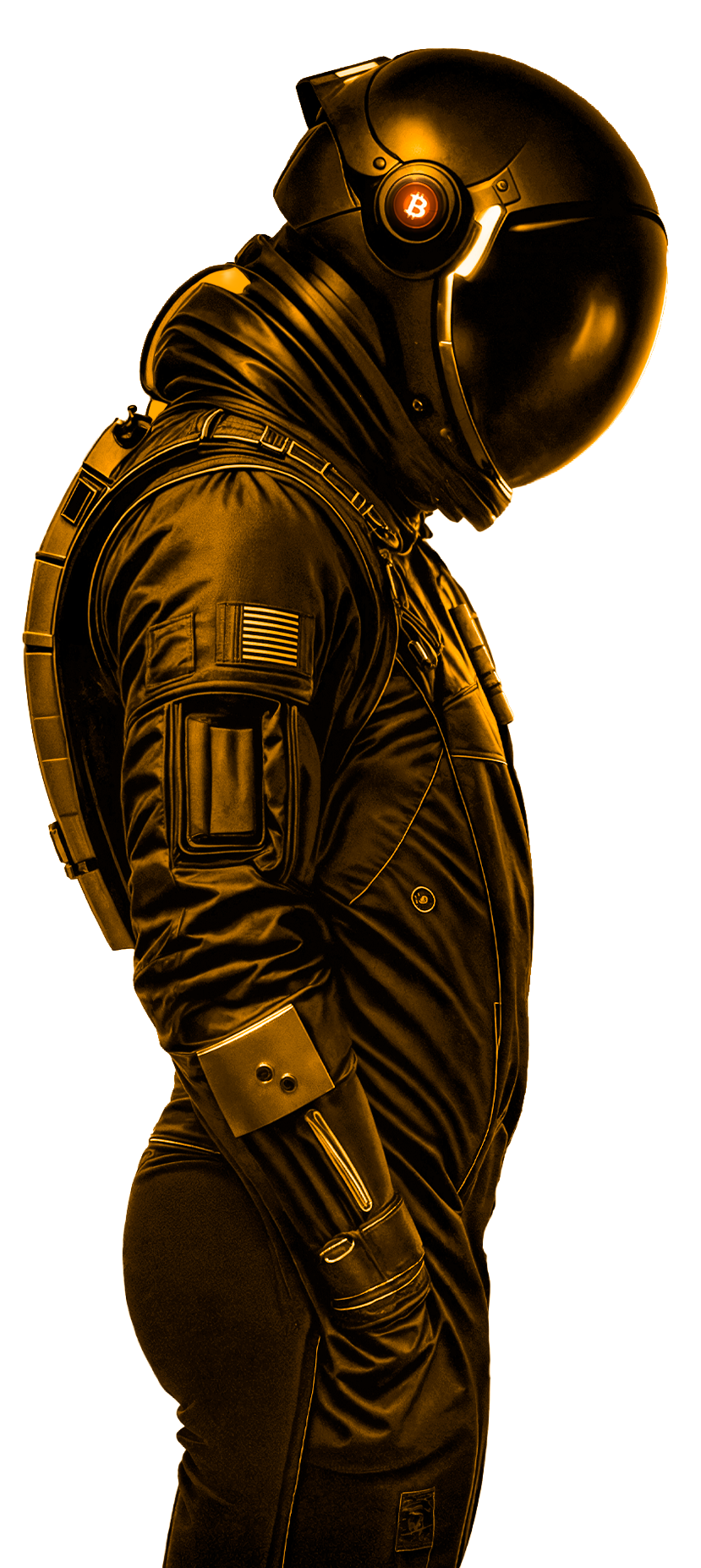
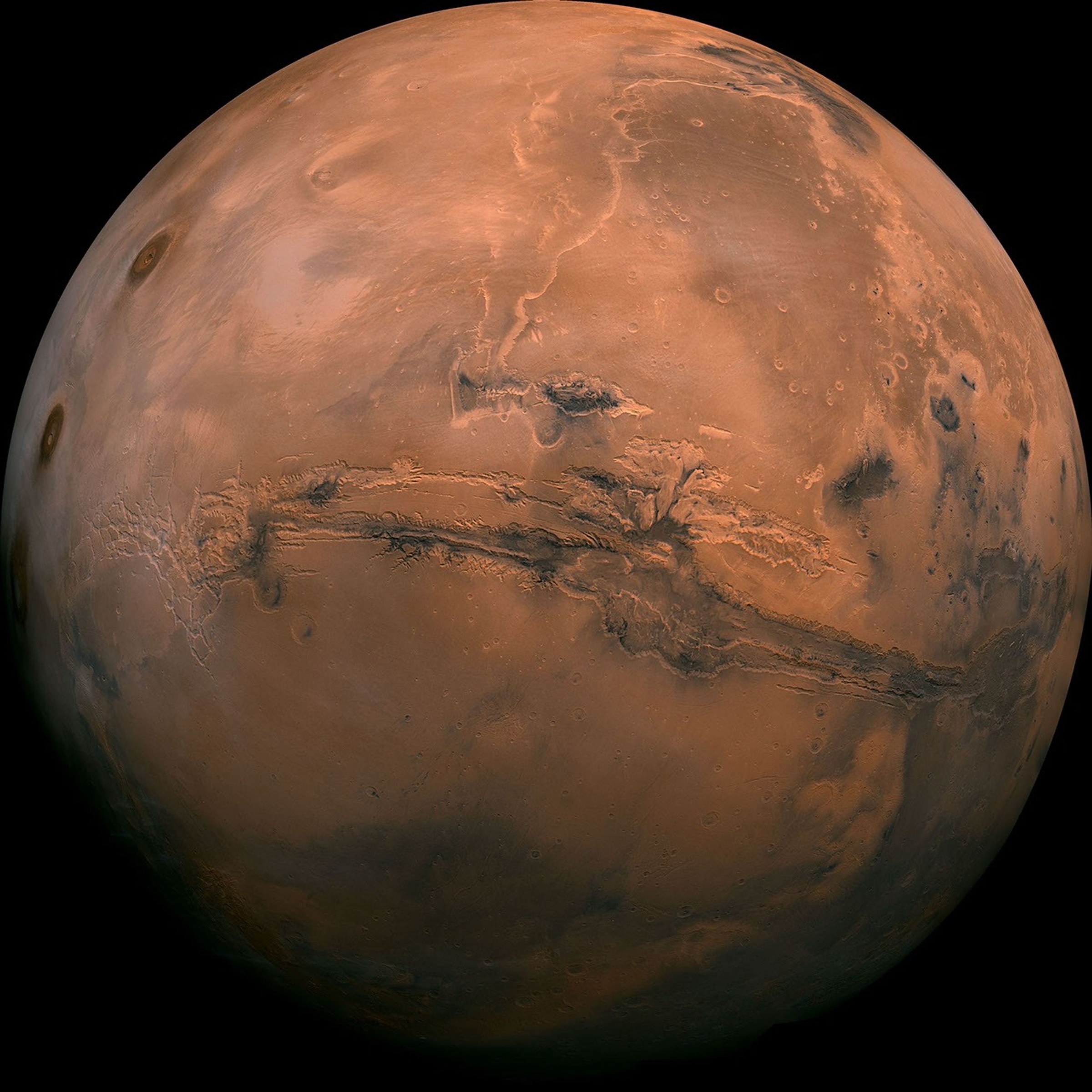
«Down there, even though I couldn't see it anymore, four hundred people were starting their day without giving much thought to the extraordinary fact that they were living it on another planet. When the impossible becomes boring — that's when you know you've actually done it.»
Franco Rowe · Ch. 1
I've thought in images my whole life. That's just how my brain works.
It's no coincidence that I studied Film and Advertising. I learned to build from the visual — to create images from a script or a brief, to translate concepts into photos, videos, or designs, to make a frame or a color carry what words would take paragraphs to say. It's what I know how to do.
I'd been carrying this story for years. A universe that existed in sketches, in visual structures, in conversations with myself that never found their way to the page. I had it complete in my head — the characters, the arc, what I wanted to say — and I couldn't get it out.
Until I found a tool that did what I couldn't: turn my images into prose. For the first time, the process reversed. Not idea to image. Image to text. What had been a wall for years became a bridge.
I make no apologies for that. It would be contradictory — and this novel is, among other things, about the contradiction of rejecting new tools.
Bitconauts is a novel about technology as a lever of human progress. About the tools that change what's possible to do, what's possible to imagine, what's possible to be. About those who bet on new ideas before the world understood them.
The rest I built the only way I know: image by image, until it had the shape of a novel.
Bitconauts
Synopsis
Franco Rowe Belmonte is eighty-five years old. A retired Admiral. From a station in orbit around Mars, over three days, he tells the story the history books leave out.
The story of the invisible heroes who changed the world before the world knew it was changing. Those who bet on a technology and opened up space. Those who made the right decisions — the hardest ones, the ones the world wasn't ready to make — and without asking anyone's permission, built the century that made everything that followed possible.
Three discoveries that redefined humanity's place in the universe. That confirmed what we always suspected: we are not alone.
Bitconauts is the adventure story we always wanted to live. The secrets the universe kept for fifty thousand years. And what happens when humanity, for the first time, has the tools to hear the answer.
«Apollo was paid for by fear. That's the truth nobody likes to say out loud. We didn't go to the Moon because we're explorers — we went because the Soviets wanted to go too, and we couldn't afford to lose. When they gave up, the money stopped. When the money stopped, the rockets stopped. When the rockets stopped, the dream vanished. That simple.
Franco Rowe · Ch. 3
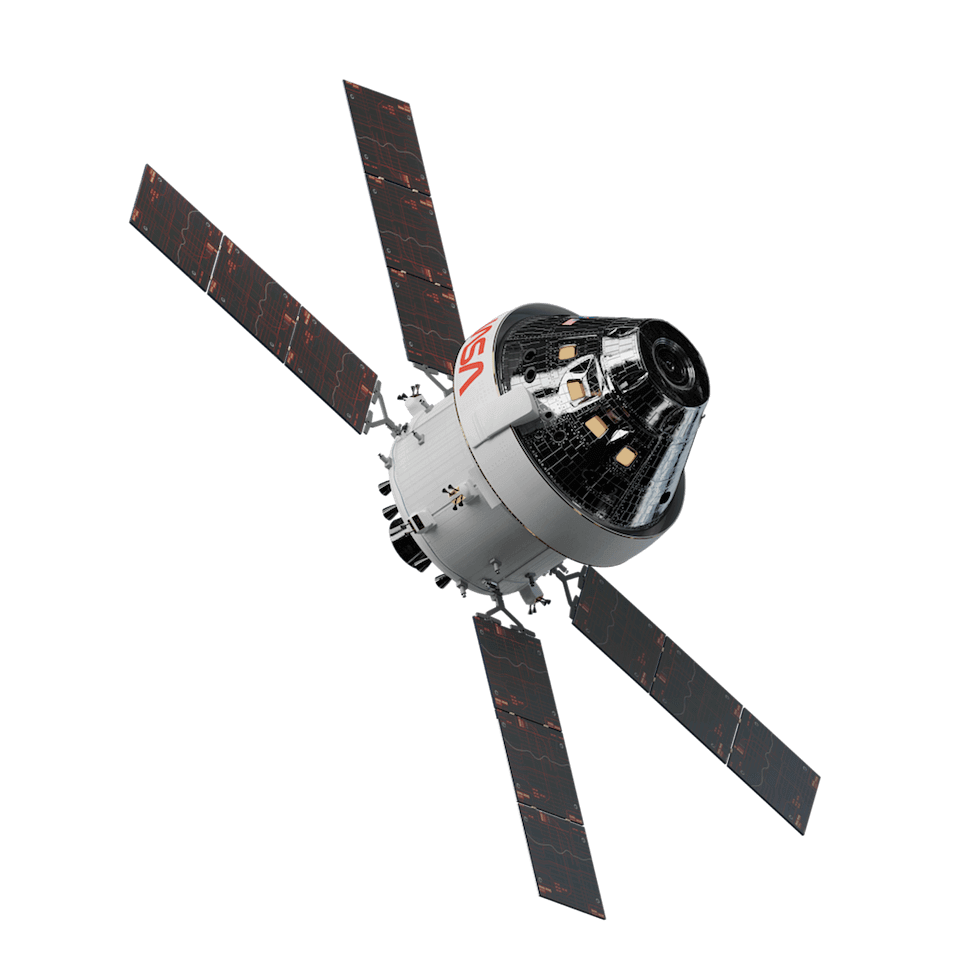
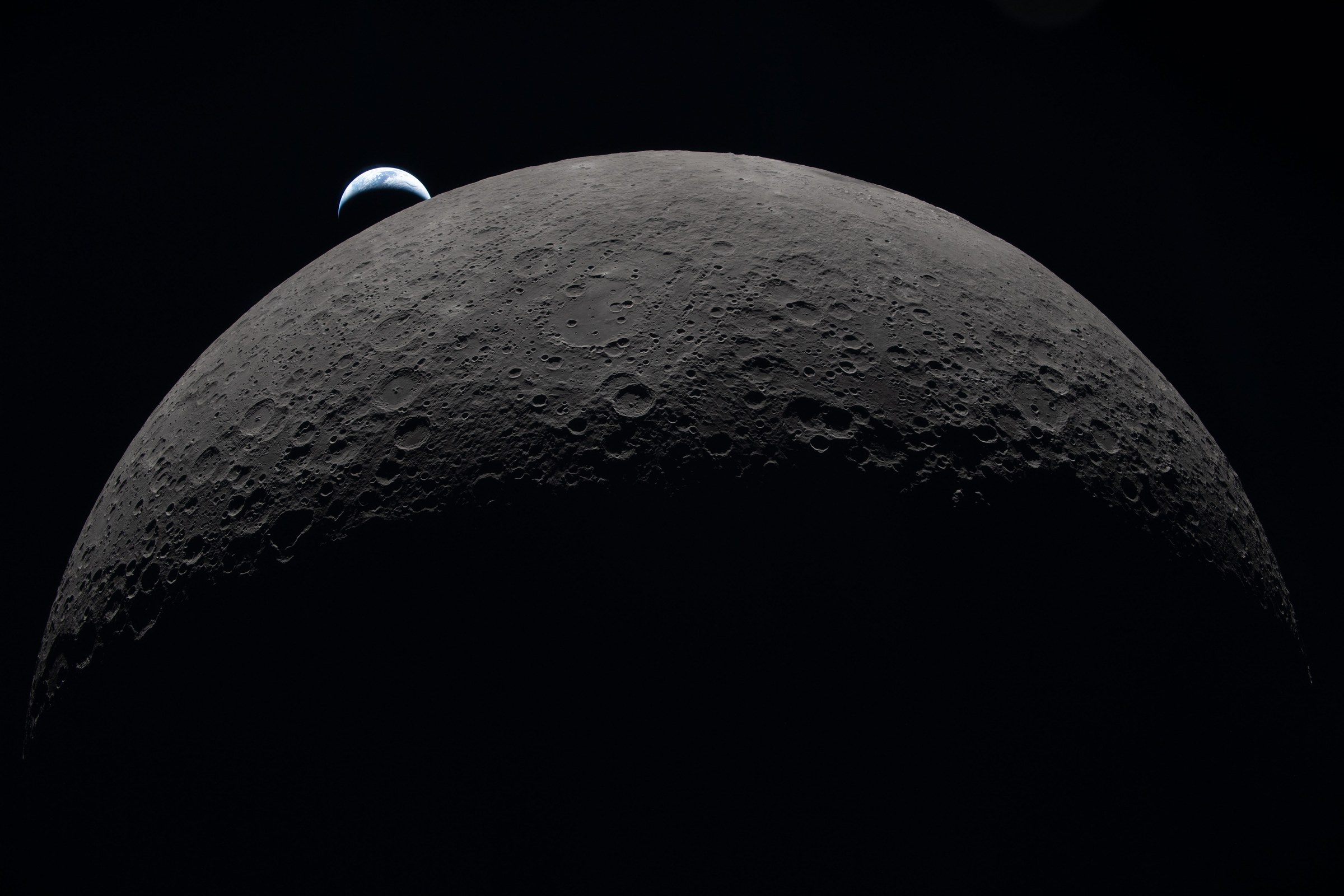
«The Artemis missions accomplished the impossible — not because they were perfect, but because for the first time in fifty years, ordinary people started talking about the Moon again. Governments and private companies pushing together, each for their own reasons, but in the same direction. And when humanity starts talking about something again, when it feels like theirs again, what comes next becomes inevitable.»
Franco Rowe · Ch. 3
In the twenty-first century, Bitcoin appeared without an owner, without a government, without permission. It mined a block every ten minutes. No matter what was happening in the world.
One block every ~10 minutes. Always.
«Satoshi saw it. And before him, others. People who in the seventies, eighties, nineties started asking questions nobody else was asking. Who spent decades building the pieces of something the world didn't yet know it would need.»
«The invisible heroes who died without seeing anything they had built. Who never had statues or speeches. The world didn't ignore them out of malice — it ignored them because it had no framework to understand what they were doing.»
«It wasn't the first time. Galileo didn't discover the future. He discovered a truth about the present that his era couldn't bring itself to see. The rejection wasn't ignorance — it was self-defense. A society that accepts that reflection has to also accept what it implies — change, question itself, let something go. And that hurts.»
Franco Rowe · Ch. 1
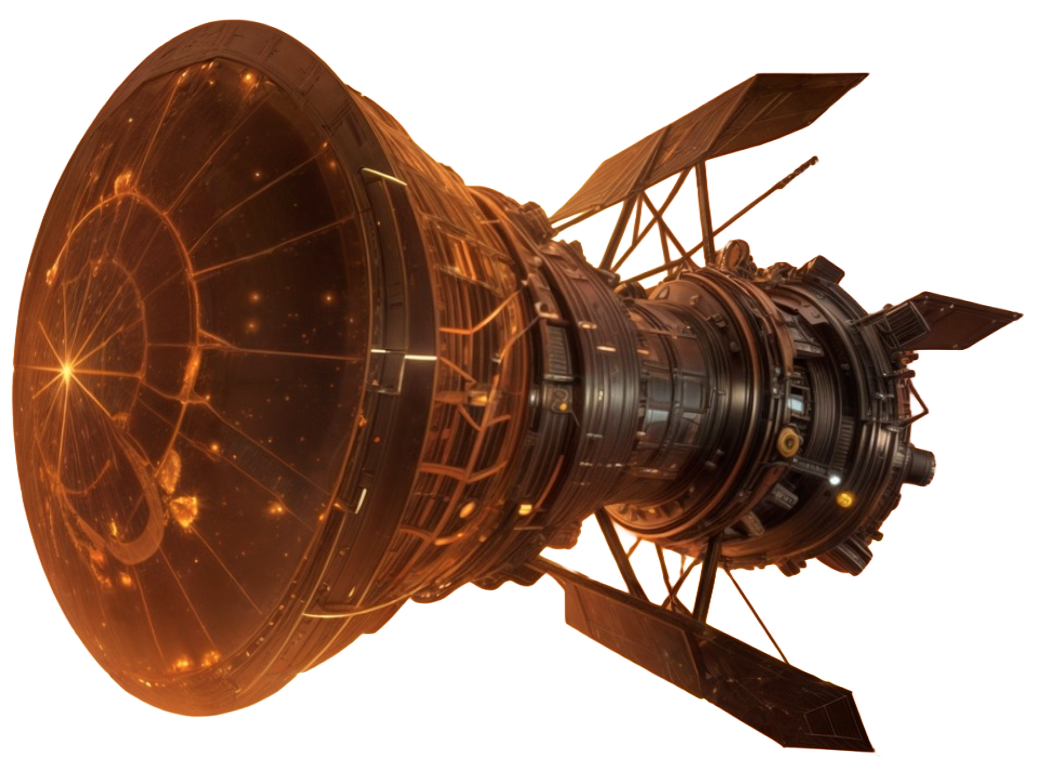
«The paper was technical, dry, full of equations. But the summary was simple: the Sun isn't behaving as it should. There's a pattern in its corona that no known model can explain. And that pattern pulses.» I paused. «The word 'pulses' was what changed everything. Someone used it in a headline and there was no stopping it after that. A heartbeat. The Sun has something like a heartbeat. That doesn't need a scientific explanation for people to understand it. They feel it.»
Franco Rowe · Ch. 4
«The discovery did something no scientific paper should be able to do: it changed the way people looked at the Sun in the morning. Not as a source of vitamin D or a burn risk. As what it really is — the organizer of the entire system. The engine. What existed before anything we ever built, and what will keep existing when nothing remains to remember we were here. The Egyptians sensed it with Ra. The Aztecs with Tonatiuh. Science took four thousand years to prove them right. Not in the religious sense — in the literal one.»
Franco Rowe · Ch. 4
«The countries that understood they had to earn their citizens rather than keep them by obligation — those that bet on quality of life, efficiency, real freedom — prospered. The others adjusted or shrank. It was slow. It was imperfect. But it was real.»
Franco Rowe · Ch. 12
«Patriotism isn't bad in itself. It's the same instinct that allowed us to survive as a species for millennia — tribe first, then clan, then nation. When you grow up with a flag, a national anthem, with the idea that there's an us and a them defined by a line on a map, that framework installs itself very deep. You don't question it because it comes from your parents, your school, everything that surrounds you since you can remember. It's the same as religion — it's not that people choose to believe. They were born inside that structure, and the structure becomes invisible because it was always there.»
Franco Rowe · Ch. 12
Bitconauts
The Invisible Heroes
 eBook + Print
© 2026 nicomazzanti.com. All rights reserved. · Ver en español
Music by Ashot Danielyan from Pixabay.